
Georgia Camping Wildlife: Animals You May See While Camping
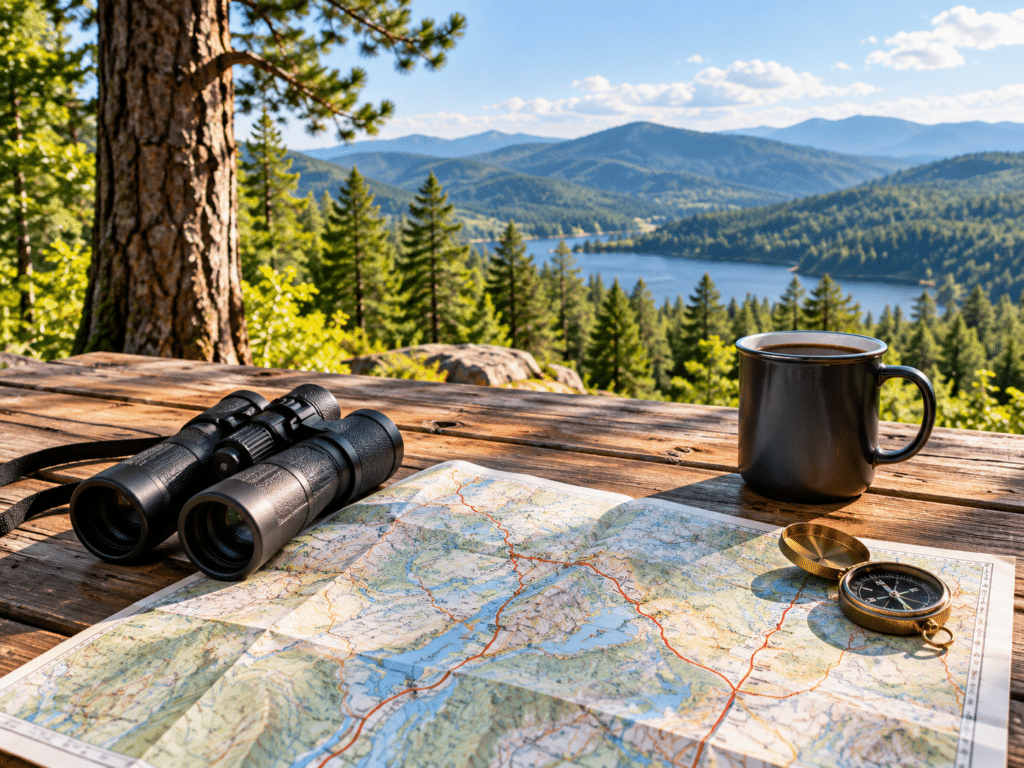
One of the best parts of camping is waking up somewhere that feels much closer to nature than home. In Georgia, that could mean spotting deer near the edge of the woods, hearing an owl after dark, watching squirrels around the campground, or noticing a turtle near the water.
The Georgia camping wildlife you encounter will depend heavily on where you stay. Mountain forests, Piedmont woodlands, lakes, rivers, coastal marshes, and South Georgia wetlands support different animals, so a camping trip in Blue Ridge can feel very different from one near the Georgia coast.
Most wildlife encounters can be enjoyed from a safe distance without becoming a problem. Knowing which animals you might see, and how to avoid attracting them to your campsite, can make camping in Georgia even more enjoyable.
What Wildlife Can You See While Camping in Georgia?
Georgia is home to a wide variety of mammals, birds, reptiles, and amphibians. White-tailed deer, squirrels, raccoons, opossums, rabbits, and many bird species are among the animals campers may encounter, while black bears and alligators are more closely associated with particular parts of the state and habitats.
Seeing wildlife isn’t guaranteed, even when you’re camping in an area where a species lives. Time of day, season, weather, habitat, and human activity can all affect what you notice during a trip.
White-Tailed Deer
White-tailed deer are widespread in Georgia, and campers may spot them around wooded areas, fields, trails, and roadsides. Early morning and evening can be particularly good times to stay observant, although deer can appear at other times as well.
Enjoy them from a distance rather than approaching or offering food. Drivers should also stay alert around campground and rural roads, especially during periods when deer are more active.
Squirrels, Raccoons, and Opossums
Some of the most memorable wildlife in Georgia campgrounds may also be the animals most interested in unattended food. Squirrels are familiar daytime visitors, while raccoons and opossums may be more noticeable after the campground becomes quiet at night.
Don’t encourage a closer encounter by leaving pet food, garbage, coolers, or meal scraps accessible. Keeping your campsite clean helps reduce the chance of wildlife learning that campsites are an easy source of food.
Black Bears
Black bears deserve special attention, but campers shouldn’t assume that every Georgia campground is bear country. Georgia DNR identifies three primary bear populations: the North Georgia mountains, Central Georgia along the Ocmulgee River, and Southeast Georgia in and around the Okefenokee Swamp.
If you’re camping in or traveling through these areas, proper food and trash storage becomes especially important. Never approach or feed a bear, and don’t leave food scraps behind at your campsite.
Camping in North Georgia Bear Country
North Georgia’s forests and mountains provide some of the state’s most popular camping destinations, and they’re also part of Georgia’s primary black bear range. That doesn’t mean you’re likely to see a bear on every trip, but it does mean campers should know how to prevent their campsite from becoming an easy food source.
Georgia DNR recommends securing food and trash, keeping dogs leashed, cooking away from your tent when appropriate, and keeping food, garbage, toiletries, and other attractants out of your tent. These precautions help protect campers while preventing bears from learning to associate campsites with food.
North Georgia also gives campers plenty of places to stay while exploring its mountain scenery and outdoor attractions. Go Camp Georgia members Long Ridge Campground in Hiawassee and Jenny’s Creek Family Campground in Cleveland can serve as bases for exploring the region. Wildlife sightings are never guaranteed, so enjoy whatever you encounter naturally rather than visiting a campground expecting to see a particular animal.
Where You Camp Changes What You May See
A campground in the Blue Ridge Mountains won’t necessarily have the same wildlife as one near Georgia’s coastal marshes. Campers exploring places such as Hiawassee, Ellijay, Blue Ridge, or other mountain communities are surrounded by different habitats than travelers staying near Brunswick, St. Marys, or South Georgia wetlands.
If wildlife and nature are an important part of your trip, comparing different Georgia camping regions can help you choose a setting that matches the outdoor experience you’re looking for.
Snakes You May Encounter While Camping in Georgia
Snakes are part of Georgia’s natural environment, but seeing one doesn’t automatically mean you’re in danger. Many species found in the state are nonvenomous, and snakes generally prefer to avoid people rather than interact with campers.
You may encounter a snake near trails, rocks, wooded areas, water, or other suitable habitat. Give any snake plenty of space, don’t attempt to handle it, and teach children to do the same.
What About Venomous Snakes?
Georgia does have venomous snake species, including copperheads, cottonmouths, timber rattlesnakes, eastern diamondback rattlesnakes, pygmy rattlesnakes, and eastern coral snakes. Their ranges and preferred habitats vary, so not every species is likely to occur everywhere you camp.
Rather than trying to get close enough to identify a snake, simply keep your distance and allow it to move away. Wearing appropriate footwear, watching where you step or place your hands, and keeping the campsite tidy are sensible precautions.
Alligators in South and Coastal Georgia
Alligators are another example of why Georgia campground wildlife varies so much by region. They occur primarily in the southern part of the state and are associated with freshwater habitats such as swamps, marshes, rivers, ponds, and lakes.
Campers near suitable alligator habitat should stay aware around the water’s edge and never feed or approach an alligator. Keep pets under control as well, particularly when walking close to ponds, lagoons, marshes, and other waterways.
Give Wildlife Around the Water Extra Space
Lakes, rivers, wetlands, and marshes can attract far more than alligators. Depending on the location, campers may notice turtles, frogs, snakes, wading birds, waterfowl, and other animals that depend on these habitats.
If you’re staying near the water, observe animals from a comfortable distance instead of trying to move closer for a photograph. Never use food to encourage wildlife to approach your campsite or shoreline.
South Georgia Offers a Different Camping Environment
South Georgia’s warmer climate, lakes, rivers, forests, and wetlands create a very different outdoor environment from the mountains. Campers may encounter a different mix of birds, reptiles, mammals, and other wildlife depending on the habitat surrounding their campground.
In Valdosta, Go Camp Georgia member Wild Adventures Safari Campground provides a place to stay while exploring South Georgia. Wildlife sightings outside managed animal experiences are never guaranteed, so campers should follow the same basic rule throughout the state: observe native wildlife without approaching or feeding it.
Birds You May See Around Georgia Campgrounds
You don’t need a rare wildlife sighting to enjoy nature at a campground. Birds are often among the easiest animals to notice because different species occupy Georgia’s forests, mountains, lakes, wetlands, and coastal areas.
Depending on the habitat, you might see woodpeckers, owls, hawks, songbirds, waterfowl, or wading birds. Early morning can be an especially enjoyable time to listen and look for birds before the campground becomes busier.
Coastal Georgia Offers a Different Wildlife Experience
Camping near Georgia’s coast puts you close to marshes, tidal creeks, maritime forests, and barrier-island habitats. That can mean opportunities to watch herons, egrets, other shore and wading birds, and wildlife associated with coastal waterways.
For travelers exploring this part of the state, Coastal Georgia RV Resort in Brunswick can serve as a base for visiting the surrounding coastal region. As with any campground, choosing a coastal location doesn’t guarantee a particular wildlife sighting.
How to Watch Wildlife Without Disturbing It
Seeing animals you may see while camping in Georgia can become one of the highlights of a trip, but the best encounters usually happen when you allow wildlife to behave naturally. Keep enough distance that the animal doesn’t need to change its behavior because you’re there.
Avoid feeding wildlife, chasing animals for photographs, touching nests or young animals, or allowing children and pets to approach them. Binoculars and a camera zoom can give you a better look without turning an observation into an unsafe encounter.
Wildlife Safety While Camping
Good wildlife safety while camping often comes down to keeping your campsite from becoming attractive to animals. Store food properly, clean up after meals, secure garbage, supervise pets, and follow any wildlife rules posted by the campground or public land you’re visiting.
These precautions matter whether the potential visitor is a bear, raccoon, or something much smaller. For more general precautions before your trip, these wildlife safety tips cover other ways to prepare for camping in Georgia.
Never Feed Campground Wildlife
Feeding an animal may seem harmless, especially when it’s only a squirrel or raccoon, but it can encourage wildlife to associate people and campsites with food. Animals that repeatedly find food around campsites may become more persistent around future visitors.
Enjoy the sighting, take photographs from a safe distance, and let the animal find its own natural food. Keeping wildlife wild is better for both campers and the animals that live there.
Common Wildlife Mistakes Campers Should Avoid
Most wildlife encounters don’t cause problems when campers give animals space and keep food secured. Trouble is more likely when people intentionally or accidentally encourage animals to come closer.
Leaving garbage outside overnight, storing food in a tent, feeding animals, or allowing pets to chase wildlife can all create unnecessary risks. Campground rules may vary by location, so always follow the food-storage, pet, and wildlife requirements where you’re staying.
Keep Pets Close Around Wildlife
Dogs can make camping more enjoyable, but unfamiliar animals, smells, and sounds can quickly get their attention. Keep pets leashed or otherwise secured according to campground rules, and don’t allow them to chase deer, squirrels, birds, or other wildlife.
Be especially cautious near wooded trails and waterways where you may not immediately see an animal. Keeping your pet close gives you more control if wildlife suddenly appears.
Enjoy Georgia Wildlife in Every Season
The wildlife you notice can change throughout the year. Spring brings increased bird activity and other signs of animals becoming more active, while summer camping can mean more encounters with reptiles, insects, and wildlife around water.
Fall is a popular time for exploring Georgia’s mountains and forests, while winter can make some wildlife easier to notice as vegetation thins. No season guarantees a particular sighting, which is part of what makes each camping trip different.
FAQs About Georgia Camping Wildlife
What animals might you see while camping in Georgia?
Campers may encounter white-tailed deer, squirrels, raccoons, opossums, rabbits, birds, turtles, snakes, and other native wildlife. Black bears and alligators may also occur in certain regions and habitats.
Are black bears common at Georgia campgrounds?
Black bears live in parts of North, Central, and Southeast Georgia, but seeing one at a campground isn’t guaranteed. Campers in bear country should secure food and garbage and follow local bear-safety requirements.
Are there alligators near campgrounds in Georgia?
Alligators occur primarily in southern Georgia and may live in suitable freshwater habitats such as wetlands, rivers, lakes, ponds, and swamps. Never approach or feed one, and use extra caution with pets near the water.
What should I do if I see wildlife at my campsite?
Stay calm, keep your distance, and don’t feed or approach the animal. Secure food, garbage, pets, and other attractants, and contact campground staff if an animal remains around occupied campsites or creates a safety concern.
Is it safe to camp around wildlife in Georgia?
Camping around wildlife can be enjoyed safely when visitors respect animals and follow appropriate precautions. Proper food storage, maintaining distance, supervising pets, and following campground rules can reduce the chance of unwanted encounters.
Enjoy Georgia’s Wild Side on Your Next Camping Trip
From mountain forests to coastal wetlands, Georgia camping wildlife is one more reason every campground trip can feel different. Keep a respectful distance, secure your food and trash, and enjoy the animals you happen to spot without interfering with them.
Ready to explore a new part of the state? Contact Go Camp Georgia to discover campgrounds across Georgia and start planning your next outdoor getaway.